
Your mind is the bundle of matter that consists of each mental action, thought, feeling, and emotion arising within you. These movements shape how you function as a conscious human being. Observe them from afar. By doing so, you recognise that thoughts and emotions are passing events that rise and fall within your presence. This viewpoint allows you to engage with them consciously. You can then choose how to use your mind. Its thoughts, emotions, and thinking movements occur within the brain and influence how your body functions. In short, your mind is a vital physical tool. With this understanding, you learn how it plays a key role throughout your life.
Where does the mind exist?
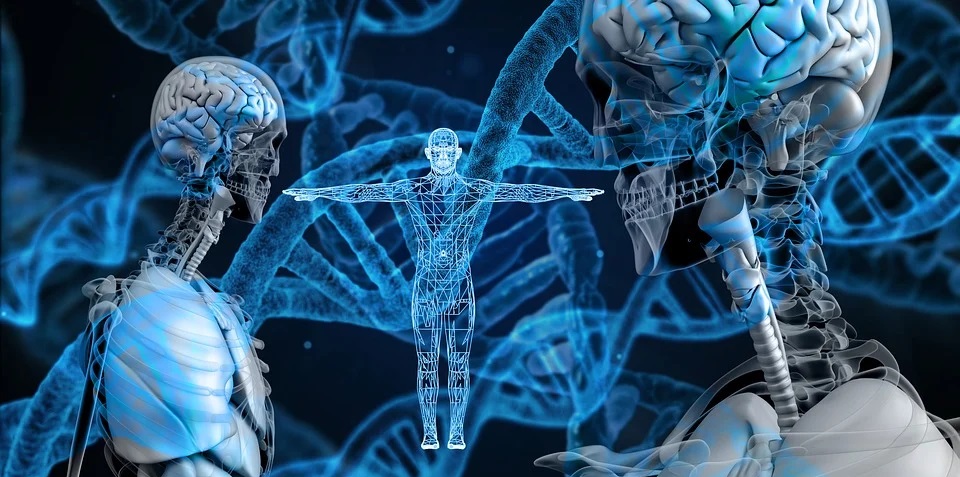
In humans, the mind and its intelligence exist as a collective unit throughout your body. To explore this, consider your body’s organs and tissues. These contain trillions of cells, most of which store genetic information through DNA. This material holds the data and instructions needed to build and maintain your body and brain. Together, these form a vast knowledge bank. This information affects how your body works, which in turn relates to your thought patterns and how you might react to them. Given these points, your DNA, experiences, thoughts, and emotions all play a role in how you function as a human being. They work together to form your mind. Witness its energy. This practice helps you grow more aware of your mind and how it moves and exists throughout your body.

How does the mind work?
The mind works like a machine that collects and stores data. It does this by sensing and gathering thoughts, images, and sounds, then storing relevant knowledge in its memory bank. This activity occurs throughout your brain and body. This insight is key. It helps you notice, value and accept the natural function of your mind.
Despite the mind’s machinelike nature, you can use brief, conscious effort to collect and store data when learning something new. This mode creates active awareness. At other times, observing, gathering, and storing information within your mind happens on its own. This is relaxed, passive awareness. The mind works through these modes to allow a balanced use of conscious effort and wisdom. Both active and passive modes work in sync. By recognising these dual traits, you can use knowledge and awareness with balance and ease. This understanding also helps you know when to apply or relax your conscious efforts. The following points explain this further.
What happens in a passive state of mind?
In a passive state of mind, facts, images, words, and sounds arise without effort or restraint. It doesn’t require forceful or strained focus from you. Solutions and healing also stem from its field. To show how your passive mind works, recall when you created great ideas or performed a winning action without force. It happened with ease was a relaxed ease. The same mindset works during rest. For example, when you sleep, the relaxed, silent wisdom in each cell helps restore and heal your brain and body. Your cells do this naturally, without you having to think about it. These processes occur without active effort and reflect the passive nature of the mind.
What happens in an active state of mind?
An active mind state is when you take thoughts and use controlled effort and focus to act upon them. Take the example of music study. Excelling in this field means having regular practice sessions in a structured manner for short periods. It requires your active focus. You use it to apply and add to your existing memories and knowledge. The main issue with this way of working is that it can require considerable mental effort. Because of this, your brain can’t sustain a conscious, active effort for long periods. It’s best to avoid intense sessions as these can cause fatigue. The reason is that excess thinking, stress, and effort soon tire your brain. If you feel tired, rest. Remember that in an active state, your brain benefits from focused effort to learn, apply, and store data.

Why is it vital to understand the mind?
It’s vital to understand the mind to grasp its value, content, purpose, and how your body works with it. Such wisdom ensures that you’re aware of thoughts and feelings and can accept their movements with ease. This mindset is deeply conscious. Here, you learn when to use your brain and when to leave it alone. You also see how it views, collects, and stores data of its own accord. Recognise the value of these actions. They exist to help you function as a wise, conscious human being. Gaining this knowledge helps you balance your mind’s active focus with its passive reflection. This growth builds conscious wisdom. It also helps you develop a stable awareness from which you can learn how thoughts and emotions function.
0 Comments