
The brain is the thinking centre of your body. Like a tree, it extends from the head down through your spine. Its fibres then branch outward and expand throughout your frame. Picture this intricate web. See how the brain connects with and helps regulate how your body’s organs and tissues function. It does this through the nervous system. Through its dense network of nerves, your brain communicates with your body and helps shape your thoughts, emotions and experiences. These often fall into seven different forms. They include joy, love, hate, fear, empathy, boredom, and sexual desire. You sense these through your feelings and thoughts that often affect how you act, think and speak. By reading this, you learn how the brain uses its thinking centre to shape how you experience life.
Your brain works as a survival organ. Because of this, it performs key duties that keep your body alive and able to carry out its daily functions. You can confirm this by looking into your thoughts. Most of this content consists of memories, past events, and predictions of what may happen. For instance, if you recall a recent accident, your brain might review it and suggest ways to avoid future injury. These thoughts often aim to keep you safe. Such thoughts stem from fixed neural programs that aim to ensure your survival. Becoming wiser to them helps you recognise this purpose.
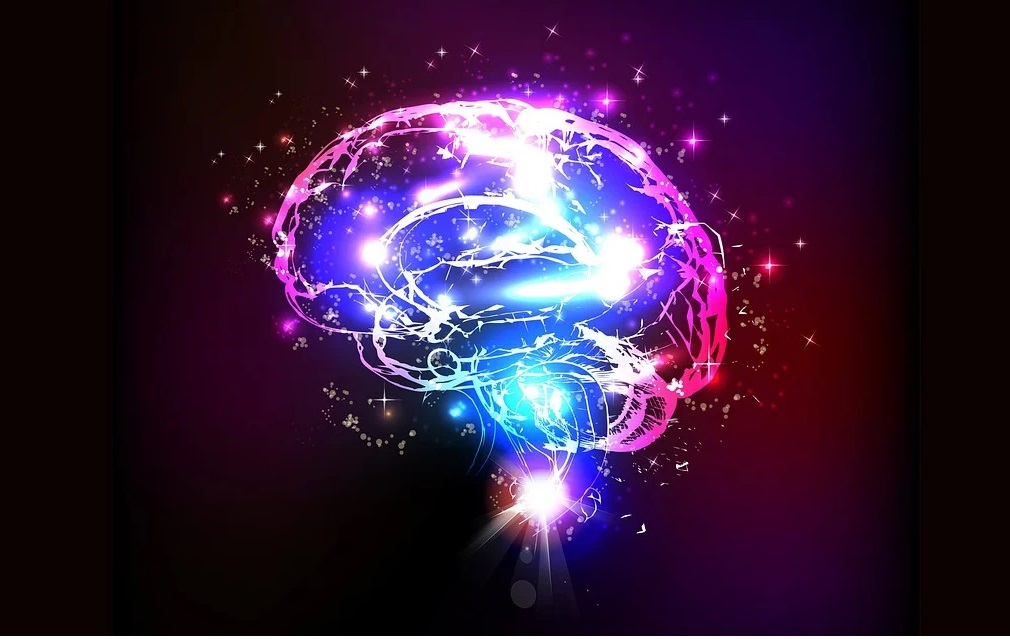
Watch the mechanic traits of your brain.
By watching the mechanical traits of your brain, you soon notice how its actions often happen by themselves. Here, billions of neurons in your body work together—too many for you to track or follow. These acts produce feelings, thoughts, drives, and cell tasks that occur thousands of times each second. They run your body’s functions and create thought content that could help you survive. Such motions have their own momentum. This energy keeps them going. Many of these processes happen without your conscious input. Observe these looping patterns. By noting them, you accept how little control you have over your brain due to its limited, mechanical traits.
The pattern of your brain’s thoughts rests on its programming. For example, if your mind stores a large volume of scary images and memories, it will create more fearful content. Much of this motion is beyond your control. This point bears repeating. You cannot always stop or foresee the thoughts your brain chooses to raise. Given this truth, accept that its contents are not personal and consist of small data packets that come up routinely. Notice your questions, judgements, and drives toward them. You only need a slight awareness of these actions. This forms the foundation to rise above your brain’s programmed nature and learn how it varies with each person.
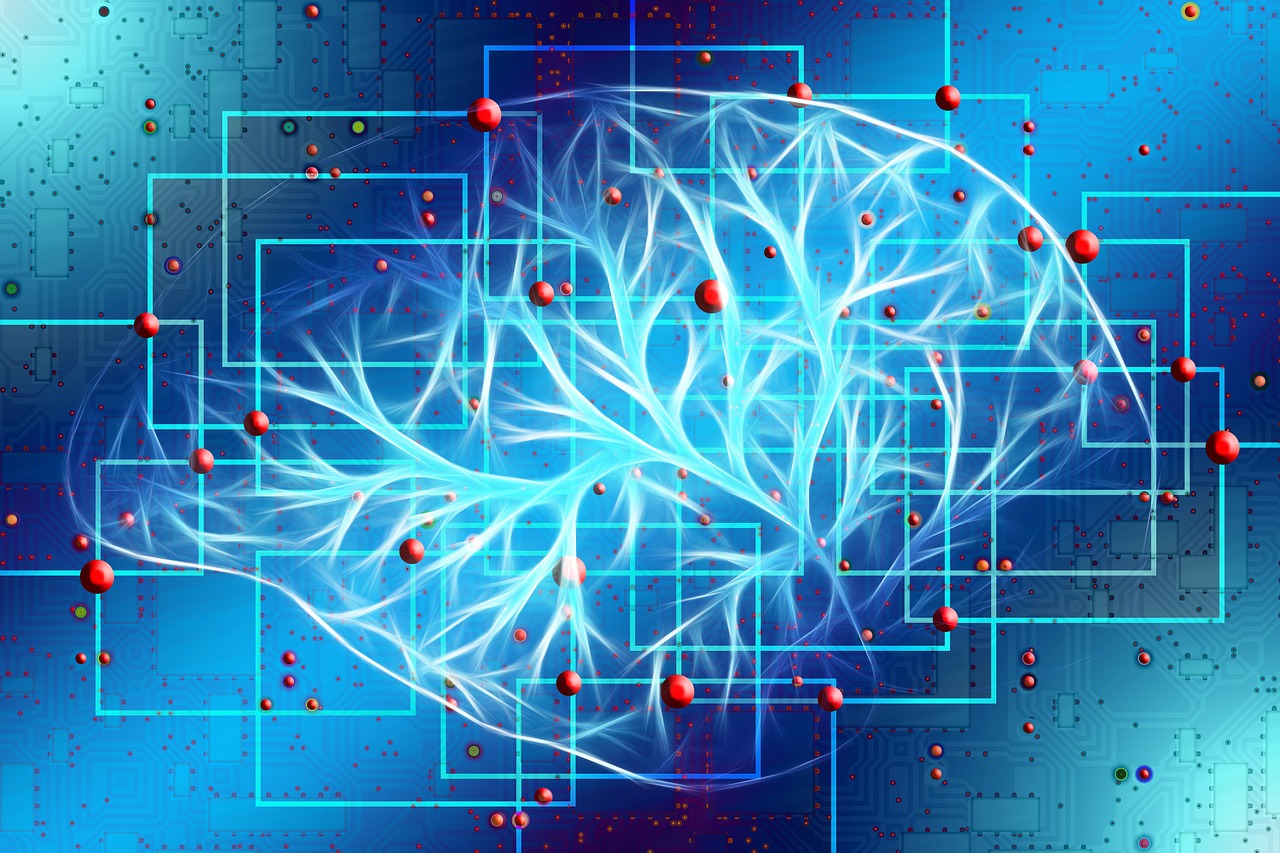
Accept the unique programming of each person’s brain.
In earlier headings, you learned that the brain has seven varied modes of thinking. Each human brain forms its own mix of these modes. Some of these traits start developing before birth, while others take shape through life experiences. To explain this, consider the case of someone more inclined toward angry, resentful, and violent thoughts from a young age. These may occur because their brains have formed strong patterns of hateful thinking. They are less inclined toward joy, love, and warmth. These aspects are part of the natural makeup of such brains. Note this common imbalance. Observe it in others. By doing so, you grow more understanding and less affected by the behaviour and views of troubled people. You know that it’s part of their inbuilt programming. This confidence forms part of your natural, innate wisdom that’s untouched by the brain’s modes or its thinking balance.
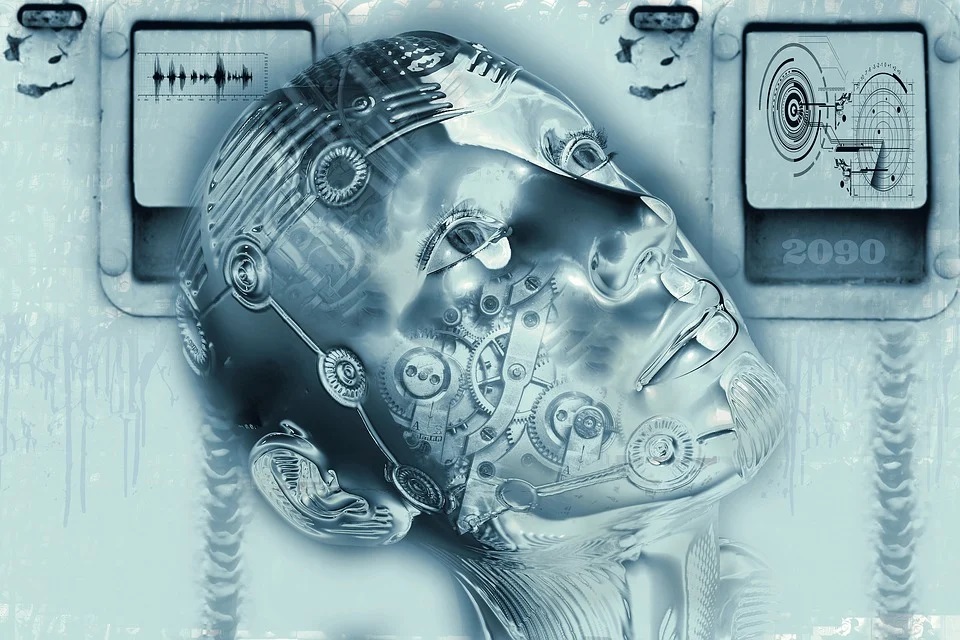
Summarise your understanding by seeing the brain as a computer.
In summary, the brain and its working methods are like a computer that runs endless programs. Seeing it this way helps you understand that thoughts are not personal and you needn’t attach too much importance to them. This view helps you take a step back from your minds activities. You then grow wise to its looping patterns. One common trait of computer programs is the code loop. Here, your brain takes sets of actions such as fear responses and repeats them. It also keeps adding more material. Check this pattern yourself by paying attention to your thoughts. Watch how your brain repeats, thinks, and adds to it. These programs often continue. Once you’re aware of its actions, you realise that they are natural movements of your brain that often run by themselves. This knowledge helps you accept the repetitive nature of your mind without taking its patterns personally.
0 Comments