
Anxiety is an intense feeling that extreme harm, death or pain may happen to you. This reaction stems from your brain’s survival system. Your past experiences, natural traits and learned fears can shape how it responds. Stress, poor sleep and changes in your body can also add to anxiety. In an imbalanced state, it drives you to feel anxious—even when there is no real threat. See this pattern. Throughout life, your brain collects information about risks from what you go through, learn, see and hear, then stores it in memory. Too much fearful content can make your body react as if danger is real. For example, seeing too many stories in the news about fatal diseases may trigger fears about getting ill. You may then seek reassurance or remedies. These efforts can add to your fears. Growing aware of this pattern helps you start breaking free from anxiety.

See anxious thoughts are symptoms.
Anxious thoughts are symptoms of a deeper problem, which is the vast amount of suppressed thought energy in your space. Imagine rain falling from large, dark clouds. Anxious thoughts are the raindrops. Their cause—the dark clouds—mimics bundles of fearful energy held within you. They include stored information about threats, danger and anything that might harm you. When this baggage combines with the fast pace of your brain, you experience racing, anxious thoughts. For example, if you struggle with suppressed fears around hatred or sex, your mind may create obsessive thoughts about these subjects. These include disturbing images of sexual violence. They bring great distress. Realise that these thoughts do not reflect your true wishes or intentions. By learning what fuels them, you begin to see through their storm.
When mental and physical conflict occur, your brain tries to escape the distress caused by certain thoughts. These attempts can appear as physical or mental rituals. They are often linked with obsessive-compulsive disorder (OCD). This state can arise through patterns of fear where your mind pushes you to escape its anxious fears. Excessive hand washing to avoid germs or desperate attempts to out-think and calm your thoughts are common rituals. Look closely at these. They stem from an attempt to escape distress and gain relief, certainty and control. This heavy mass of fear within you is what needs to be faced and allowed. Learning to accept these thoughts without reacting or trying to remove them can help reduce their hold over you. Change is possible. With this confidence, you start becoming open to the idea of facing your inner conflicts.

Anxiety and OCD are wake-up calls.
Anxiety and OCD are wake-up calls toward growing in awareness. They invite you to allow, face, and release their energy, instead of trying to control or solve them. This shift starts their decline. Anxiety often grows in strength and intensity when your entire sense of awareness gets pulled in by your mind’s noise. These movements make you feel trapped. After numerous efforts, you soon learn that you cannot escape, fix or solve anxiety through analysis, worry, and deep thinking. The answer is to rise above it. The pain of anxiety and OCD has led you to this point. Start by noticing the part of you that is aware of your mind’s fears, noise, and obsessions. By connecting with this wholeness, you stop fuelling and acting on anxiety and OCD. You see their value in prompting you to wake up from your mind’s trance. As a result, their fear and intensity ebb away.

How else can anxiety occur?
Anxiety can also occur as nightmares and panic attacks. The root of these problems is often the same—gathered fear within your body. When this energy reaches a high point, it can erupt in extreme forms. Nightmares are a common example. They occur because the mind’s defences are less active when you sleep. In effect, its thoughts run free. This freedom allows suppressed fears to arise as strong, vivid images of dread and violence. By growing aware of them, you can develop the space to let them arise. If you wake from a nightmare, spend a few minutes in bed acknowledging the images you felt during sleep. Let them be. By doing so, you meet your fears without getting caught in them.
As you begin allowing, it’s common to experience intense surges of panic during your waking hours—they rise to leave your space. This knowledge is key, as it helps you stay patient, calm, and aware while the body clears its accumulated fear. This process requires patience. Instead of trying to stop yourself from feeling panic, let yourself feel its energy. To do this, you need a sound level of readiness and awareness. This takes time to build. Given this point, if you feel that your anxiety or panic is too much, seek medical advice and appropriate support.
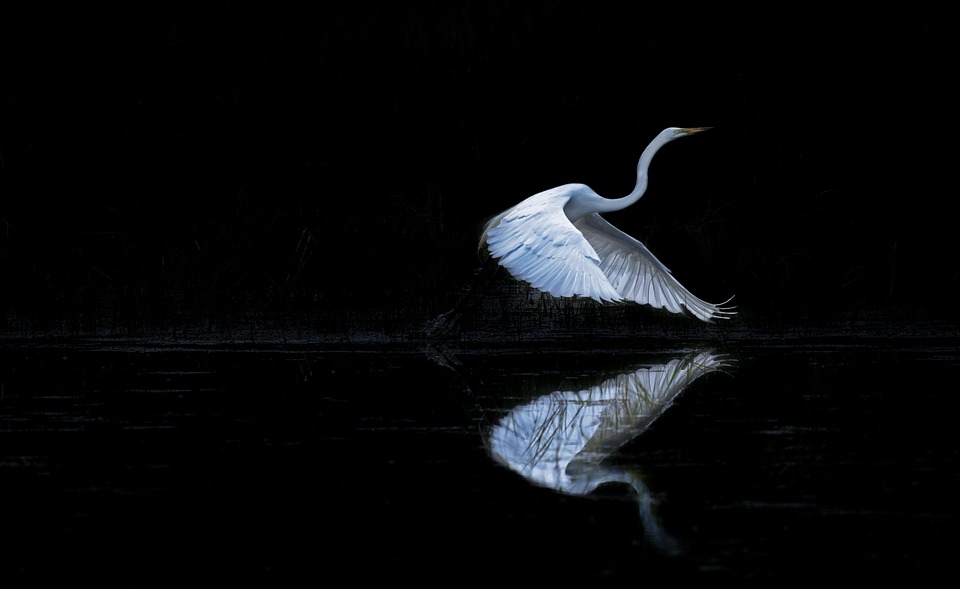
What do you do when anxiety arises?
In conclusion, when anxiety arises, the first step is to be aware of it. Explore its root cause and the feelings it stirs within your body. Note their presence from afar. The fact that you’re aware of anxious thoughts means they don’t occupy all your inner space. Let them come—without needing to resist, escape, or attack. Rise above anxious feelings and thoughts by noticing the spacious, empty, open part of you that’s aware of what’s happening. It’s passive, calm and open. Draw attention into it, rather than your fears. This often feels difficult because your brain likes to think, push, engage, and act upon its thoughts. The process gets easier. Soon, you feel ready to take a more active approach to facing, and moving through anxious fears. It’s important not to rush this process. Gradual progress unfolds as you connect with and understand life’s open space.
0 Comments